
LGBTQIA+ People
Investment in LGBTQIA+ Health
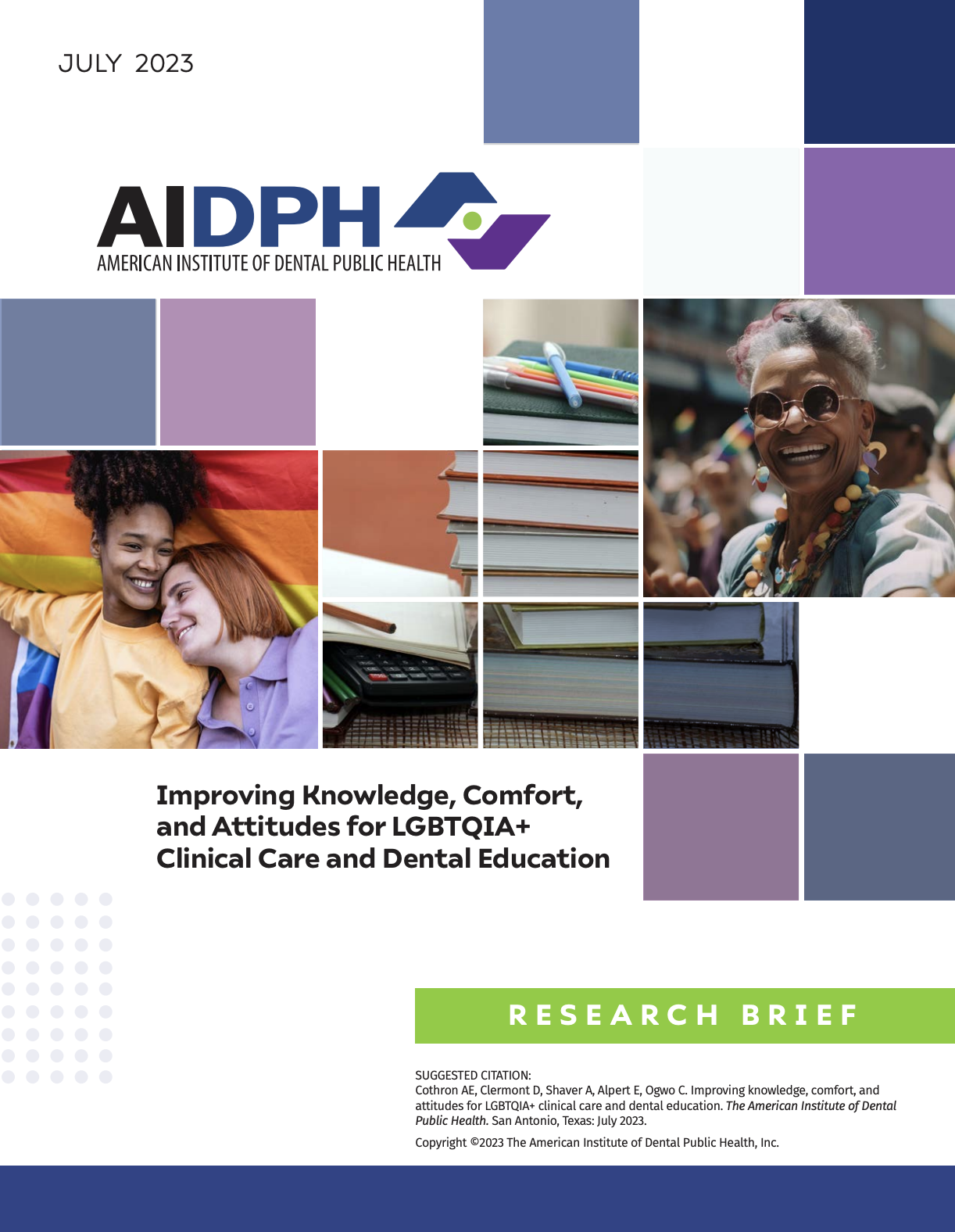
Historically, LGBTQIA+ people have experienced stigma and discrimination when accessing health care services, creating significant disparities such as feeling self-conscious or embarrassed about their dental status, anticipating difficulty finding dental care if needed, and being more likely to visit an emergency department for dental care. Oral health professionals should prioritize nuanced approaches and practices that center inclusive and culturally responsive care. Improving oral health professionals’ knowledge about, attitudes toward, and comfort in investing in clinical care for LGBTQIA+ people remains a critical aspect of advancing oral health equity for this community.

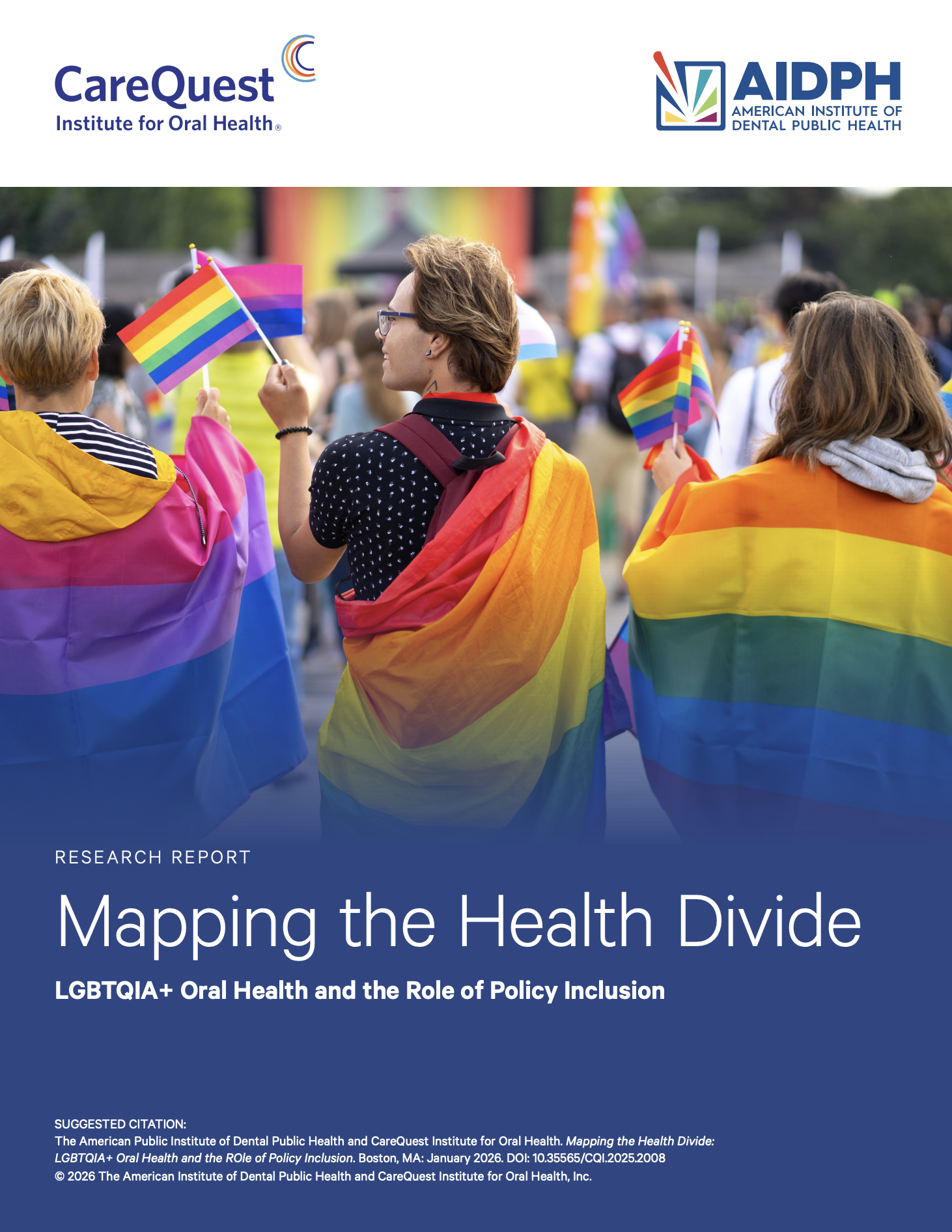
NEW from AIDPH and CareQuest: Mapping the Health Divide LGBTQIA+ Oral Health and the Role of Policy Inclusion
This report from CareQuest Institute and the American Institute on Disparities in Public Health provides a state-level analysis of transgender and cisgender queer people’s access to dental care, general health indicators, oral health indicators, and social drivers of health. People who identify as lesbian, gay, bisexual, transgender, queer, intersex, agender/asexual, and other gender/sexual identities (LGBTQIA+) have long faced discrimination from US health care systems, including dental care. Many also encounter challenges such as financial instability and mental health issues, which can affect their oral health. The findings in this report demonstrate that in addition to inclusive policies, care delivery systems must ensure safety, visibility, and belonging to improve health outcomes for queer patients.
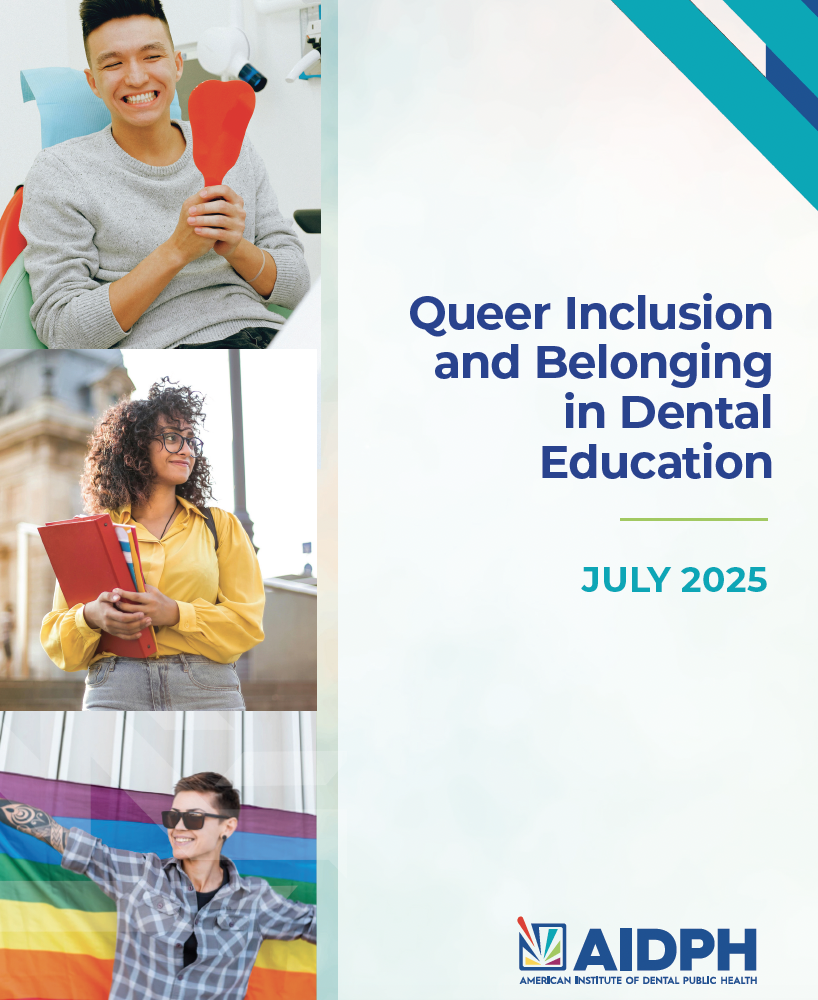
Inclusive Care and Culture within Dental Education
LGBTQIA+ communities report higher rates of unmet dental needs, discriminatory experiences, and lower rates of insurance coverage when compared to their cisgender, heterosexual peers. Dental providers may lack the cultural humility or clinical preparedness to meet the specific needs of queer patients. The lack of LGBTQIA+ inclusion in dental education not only affects clinical competence but also the educational climate for LGBTQIA+ students, faculty, and staff. AIDPH has focused on building evidence-based strategies for addressing inclusive clinical care and dental education settings for queer clinicians and queer patients.
LGBTQIA+ Oral Health Week
In 2022, AIDPH hosted the inaugural LGBTQIA+ Oral Health Week, an educational campaign designed to highlight the specific oral health needs of the LGBTQIA+ community for dental and public health professionals. Building on this foundation, the 2023 campaign deepened its focus on cultural responsiveness, inclusive resources, emerging research, and transitioning from allyship to active accomplice.
The goals of this campaign are to enhance the capacity of oral health professionals to provide culturally responsive care, create visually appealing, multi-faceted resources for a broad range of audiences, and empower the oral health community to engage in advocacy and action for the well-being of the LGBTQIA+ community.

Oral Health Access for Transgender People
AIDPH analyzed data from the Behavioral Risk Factor Surveillance System (BRFSS) to assess oral healthcare access and utilization for transgender people in this recently published peer-reviewed article from the Journal of Public Health Dentistry. Primarily focused on sociodemographic influences of dental care access and utilization for transgender people, results from the present study indicated three main findings within the analyzed sample: 1. Trends in demographic variable analyses indicated that transgender people are more likely to be younger, unemployed, more racially diverse, and have lower incomes compared to cisgender people. 2. Transgender people are less likely to have health insurance coverage and are also less likely to see a dentist regularly compared to cisgender people. 3. The social, structural, and economic barriers that are disproportionately experienced by transgender people impact access and utilization of healthcare, including dental care.