PUBLICATION
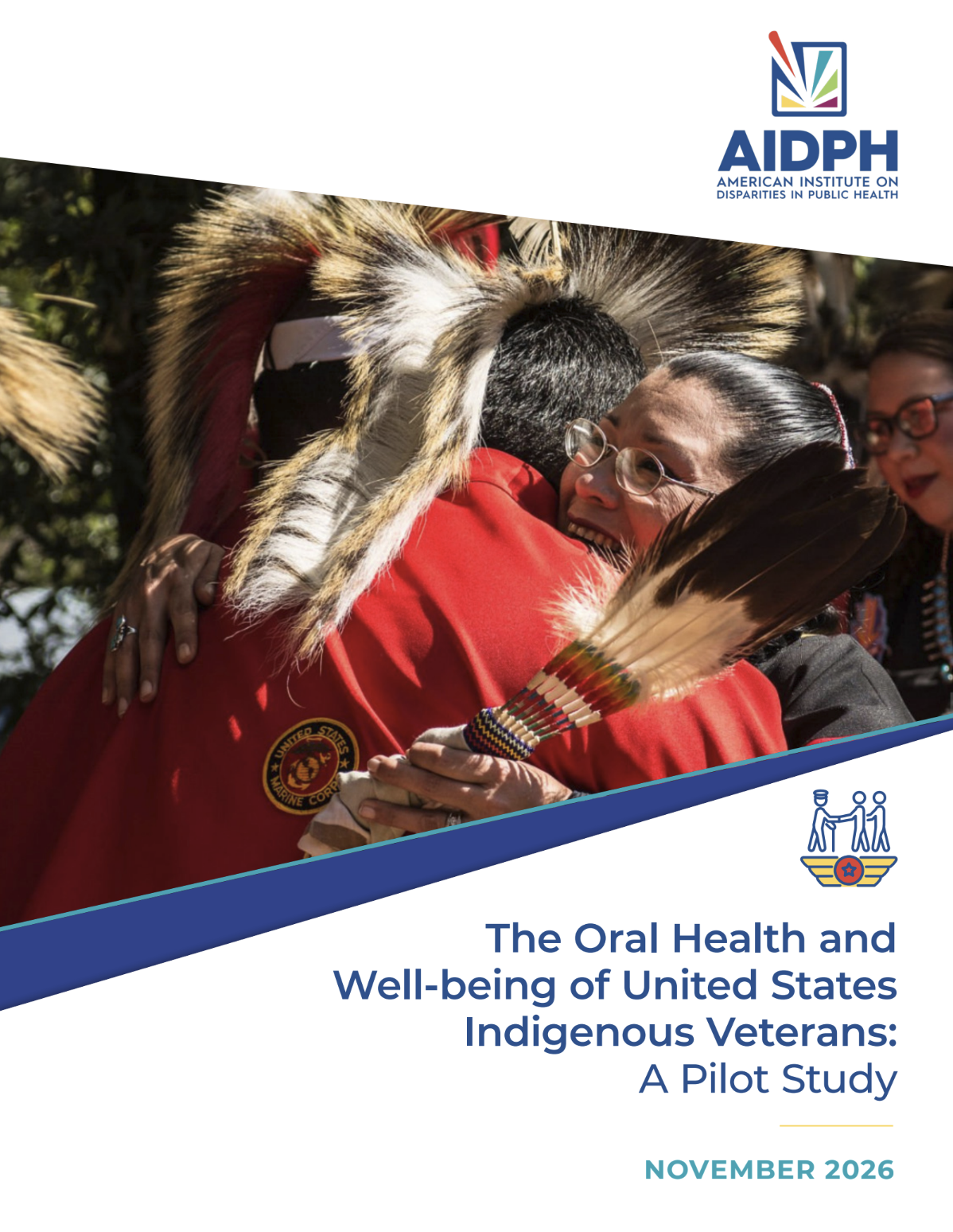
The Oral Health and Well-being of United States Indigenous Veterans: A Pilot Study
Veterans living in the United States (U.S.) experience a siloed system of dental care due to restricted eligibility for dental care coverage through the Department of Veterans Affairs. Indigenous people have a higher rate of dental disease than any other community. This pilot study explored the oral health status of Indigenous U.S. veterans and their barriers to dental care access and utilization. A survey was created to assess the oral health and general well-being of Indigenous veterans in connection with social, structural, and cultural aspects of care delivery.
Key Findings:
More than half reported having visited a dentist in the last year (57.4%). Among those who had not visited a dentist in the past year, the most common reason was fear/anxiety (14.9%) followed by cost (10.6%).
Roughly 13% of respondents reported visiting the emergency department for a dental-related issue within the last five years.
The most common structural barrier experienced by Indigenous service members after military separation was financial insecurity (27.7%), followed by homelessness (21.3%) and unemployment (17.0%).
Suggested Citation: Cothron, AE, Stone, KA, Llaneza, AJ, Seward, J., and Eason, K. The Oral Health and Well-being of United States Indigenous Veterans: A Pilot Study. The American Institute on Disparities in Public Health. Chicago, IL. November 2026. https://doi.org/10.58677/MZIT3931