
Spotlighting LGBTQIA+ Voices in the Dental Workforce
The University of North Carolina Pride Clinic Story
Motivation and Mission
For student leaders like Zain Lugay (they/he, Class of 2028) and Makayla Oby (she/her, Class of 2027), the Pride Clinic represents both professional purpose and personal connection. “My lived experience as a trans person fuels my passion for making healthcare more accessible and affirming for the LGBTQ+ community,” Zain shared. “Serving through the Pride Clinic
feels like a blessing—it’s where I can use my skills to meet real needs.”
Makayla echoed this sentiment, reflecting on her path to UNC: “I didn’t always see affirming spaces for queer individuals, especially in healthcare. The Pride Clinic was the first time I saw a space in dentistry held for my community. I knew I wanted to be a part of that mission.”
According to the Pride Clinic’s faculty advisor, Dr. Zachary Brian, that shared mission is what first sparked the clinic’s creation. “The Pride Clinic was born from both recognition and responsibility,” he explained. “Our students saw that LGBTQIA+ people—especially transgender and gender-diverse individuals—were facing profound barriers to care. They said, ‘We can do better.’”
The Clinical Experience
Each Wednesday evening, student volunteers transform a federally qualified health center into a hub for compassionate, person-centered care. They provide cleanings, fillings, extractions, and preventive education all at no cost. For Zain, the clinic’s affirming environment begins with small acts of visibility and respect. “I’m what one might call ‘visibly trans,’” they said. “When I check in with patients or assist volunteers, those lighthearted conversations are my way of reminding patients this space is for them, operated by people who share their values.” Makayla added that intentional preparation ensures safety and affirmation for all patients. “Each week, volunteers complete training modules and review inclusive communication before entering the clinic,” she explained. “We use peer accountability to ensure language remains respectful. The patient’s experience is always the priority.”
Learning and Professional Growth
Through their service, students gain more than clinical experience; they gain perspective. “It’s not easy to show up to the clinic,” Zain reflected. “Our patients carry unique histories shaped by inequities and trauma. Using empathy and curiosity helps us move from ‘patient- centered’ to truly ‘person-centered’ care.” Makayla agreed that the clinic has transformed her view of dentistry. “It’s about more than technical skills—it’s about human connection,” she said. “Advocacy isn’t separate from dentistry; it’s part of it.” Dr. Brian has witnessed this transformation firsthand. “Students leave with not only stronger clinical confidence, but also a deeper sense of empathy,” he noted. “They learn to confront bias, adapt their care, and connect authentically with patients. The experience changes how they see themselves as clinicians—and as advocates.”
Building an Inclusive Dental Workforce
The Pride Clinic also serves as a pathway for a more inclusive oral health workforce. For Zain, that means recognizing dentists’ responsibility to engage in systems-level advocacy: “It’s not enough to provide care—we have to advocate for policies that protect the most vulnerable and strengthen our social safety nets.” Makayla sees the clinic as a model for replication. “There’s a need in every community, she said. “Creating an affirming dental space can be life-changing for patients. The impact will be bigger than you imagine.” Dr. Brian believes this model can and should be scaled. “Inclusive care shouldn’t be an elective; it should be a standard,” he emphasized. “Every dental school can create spaces that affirm and empower LGBTQIA+ patients. It’s a matter of will, not capacity.”
Looking Ahead
As the UNC Pride Clinic continues to evolve, its leaders envision expanded services, deeper interprofessional collaboration, and even greater community impact. But at its core, the clinic’s mission remains the same: to ensure that everyone who sits in the chair feels seen, respected, and valued. Or, as one Pride Clinic patient told a student volunteer, “You didn’t just clean my
teeth—you restored my trust.”
Action steps to support LGBTQIA+ patients and build an inclusive dental workforce:
1. Deepen understanding of LGBTQIA+ Identities. Explore LGBTQIA+ identities and terminology using the National LGBTQIA+ Health Education Center’s Glossary of Terms to strengthen communication and cultural humility in clinical practice.
2. Create affirming clinical environments. Use this Inclusive Environment Checklist to create a welcoming, affirming space for all patients and team members.
3. Advocate for inclusion and equity. Engage with your community, support inclusive policies, and raise awareness about the unique oral health needs of LGBTQIA+ individuals.
4. Expand student-led and community-based models. Encourage student leadership and cross-disciplinary collaboration to advance equity-focused clinics that extend affirming oral health care beyond academic settings.
5. Integrate reflection and mentorship into education. Pair clinical learning with guided reflection and faculty mentorship to help students connect empathy, advocacy, and inclusive practice as core components of professional excellence.
This piece was prepared by the McAllister Castelaz, DMD, MS, and the AAPHD Equity,
Diversity and Inclusion Committee as part of AIDPH’s LGBTQIA+ Oral Health Week.
OUR COMMITMENT
At the heart of everything we do is a commitment to the communities that need expanded access to oral health care. We believe that meaningful change happens when we invest in people—both by equipping oral health professionals with the tools to lead and advocate and by amplifying the voices of those most impacted by disparities. And here we are in 2025, celebrating 10 years of pursuing a justice-oriented oral health system—one where dignity, equity, and health are at the center. We’re proud of what we’ve accomplished, but more than that, we’re energized for what’s ahead.


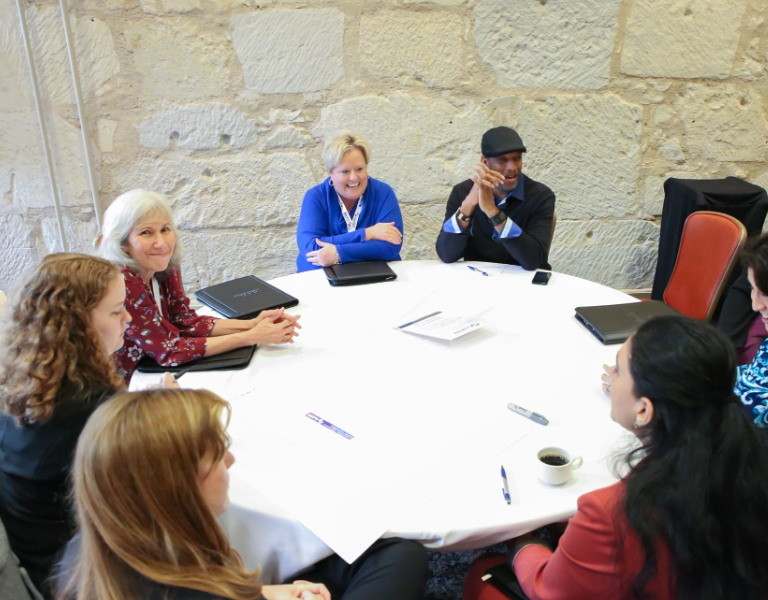

EDUCATION
- Hosting the 5th cohort of our Federal Service Immersion program
- Started the first Dental Public Health Leadership Academy
- Facilitated community collaboratives on veteran oral health
- Developed advocacy training seminars & toolkit
- Convening our 8th Colloquium
- Trained advocacy fellows, interns, and student volunteers
- Launched Rural Oral Health ECHO
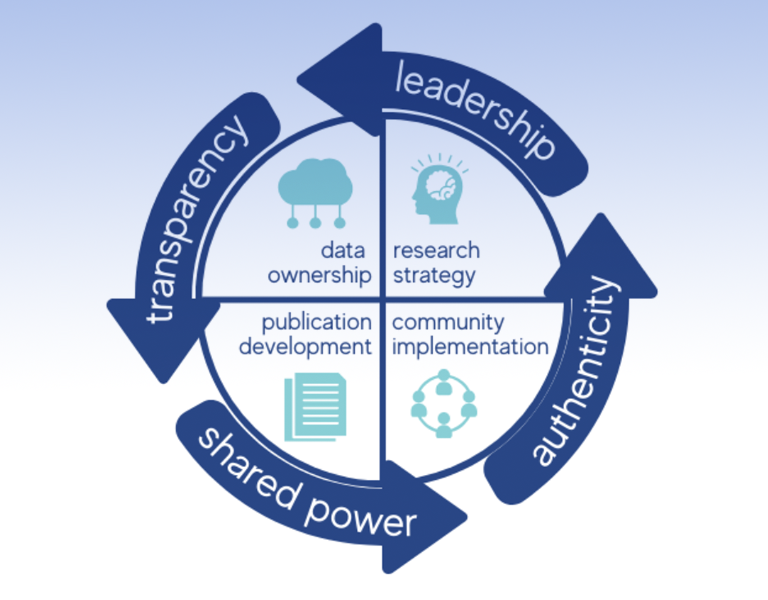

RESEARCH
- AIDPH adopted a community engaged research model in 2021
- 25 self-published and peer-reviewed manuscripts
- Over 50 webinars and scientific presentations at national conferences
- VetDentalData.org – a repository for veteran research
- 15 research interns and fellows
- Thank you to the research partners, collaborators, and funders!
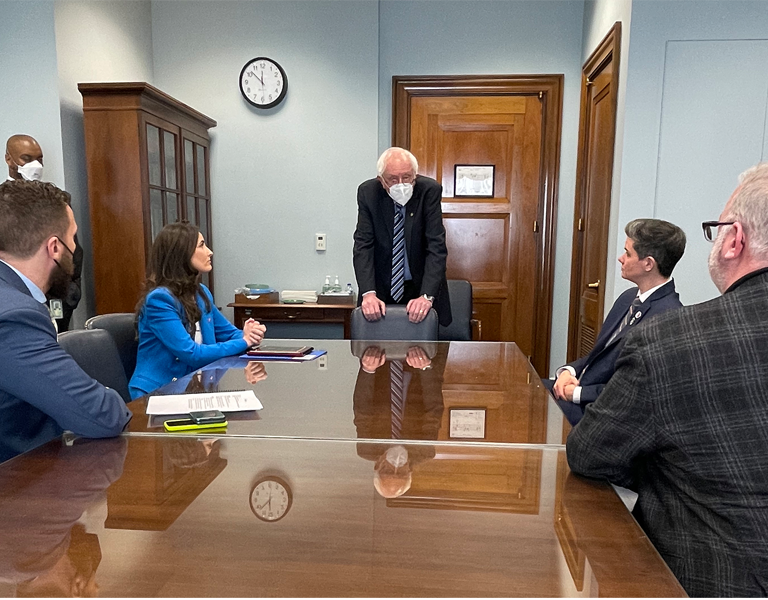

ADVOCACY
- Hosted a veteran oral health hill day and elevated veteran dental care in national policy
- Provided testimony for Senate HELP Committee
- Visited nearly half the states on our veteran oral health road tour
- Advocate for queer inclusion in education and clinical care
- Join rural and Indigenous advocacy efforts nationally
SUPPORT OUR WORK
Testimonials
What people are saying about AIDPH

Being a part of the AIDPH Academy and the Dental Public Health Learning Academy has improved my confidence and efficiency as an early career dental public health professional. I actively apply the concepts taught in the course in my job.
As a member of the inaugural cohort in the AIDPH Dental Public Health Leadership Academy (DPHLA), my experience has been invaluable in shaping my career in public health leadership and as an Associate Professor in Dental Public Health. It provided essential networking opportunities, mentorship, and practical skills that enhanced my ability to address health disparities both in my teaching and research. The collaborative environment fostered by DPHLA deepened my understanding of leadership, policy development and effective community engagement, all of which I’ve been able to integrate as the sole attending of the teledentistry program at my dental institution. Happy 10th Anniversary AIDPH! Here’s to many more years of impactful work and collaboration!”
T. Wilson, DDS, MPH, FICD